
Introduction
Welcome to the world of beginner piano, where the journey is as beautiful as the destination! Starting with pop ballads is a fantastic way to build confidence and enjoy the process. These songs are great for learning chords and melodies and also perfect for sharing with friends and family to show off your progress.
In this blog post, we’ll guide you through five stunning pop ballads that are easy to learn, offer practical tips for beginners, and share a few personal stories to inspire your musical journey.
Why Pop Ballads Are Perfect for Beginners
Simple, Repetitive Chord Progressions
Pop ballads often use familiar chords like C, G, Am, and F, making them beginner-friendly. When I first started, I remember playing “Let It Be” by The Beatles repeatedly because it felt achievable—and it used only four chords! That same simplicity applies to many contemporary ballads.
Memorable Melodies
The melodies in pop ballads stick with you. This makes them easier to practice because you likely already know how they sound. Familiarity helps bridge the gap between learning notes and creating music.
Emotional Connection
There’s something magical about playing a song that resonates emotionally. It keeps you motivated and reminds you why you picked up the piano in the first place.
5 Stunning Pop Ballads to Start With
When I first tried this song, it felt challenging but deeply rewarding. Breaking it down into sections made it manageable, and before I knew it, I could play along with Adele’s haunting vocals.
Key: A Major
Chord Progression: A, E, F#m, D
Tips: Focus on the left-hand accompaniment while practicing the melody slowly.
This song is a crowd-pleaser. The simplicity of its chords allows you to focus on the flow and emotion, making it a fantastic piece for beginners.
Key: G Major
Chord Progression: G, Em, C, D
Tips: Use a steady rhythm for the arpeggios and practice hands separately.
One of my students said playing this song felt like telling a story through the piano. Adding dynamics—playing softly in the verses and louder in the chorus—brings it to life.
Key: C Major
Chord Progression: Am, F, C, G
Tips: Emphasize the emotional dynamics for a soulful rendition.
“Hallelujah” by Leonard Cohen (Popularized by Jeff Buckley)
This timeless piece is always a joy to learn. Its slow tempo allows beginners to focus on precision and expression.
Key: C Major
Chord Progression: C, Am. F, G
Tips: Start with the chorus to familiarize yourself with the melody.
“When I Was Your Man” by Bruno Mars
This ballad is an emotional powerhouse. When you play it, aim to connect with the lyrics—even if you’re humming along!
Key: D Minor
Chord Progression: Dm, G, C, F
Tips: Practice transitioning between chords slowly and focus on matching the melody with lyrics.
Tips for Playing Pop Ballads as a Beginner
Master Basic Chords
Dedicate time to learning the common chords in each song. Repetition is key—I spent 10 minutes daily cycling through chords, and it worked wonders for my muscle memory.
Break It Down
Don’t tackle an entire song at once. Start with the intro or chorus, then gradually add sections. This approach keeps you from feeling overwhelmed.
Use a Metronome
Keeping time is crucial. A metronome helps you develop rhythm and consistency.
Practice Hands Separately
Learning each hand’s part separately makes combining them much more straightforward. I vividly remember the “aha” moment when my hands finally worked together seamlessly for the first time!
Watch Tutorials
Sometimes, seeing someone else play can provide clarity. Online tutorials are a goldmine for tips and tricks.
How to Make Your Playing Sound Stunning
Focus on Dynamics
Pop ballads thrive on emotion. Play softly during intros and crescendos in climactic parts to make your performance captivating.
Add Pedal
Using the sustain pedal can add depth and richness. Just be careful not to overdo it, as too much can muddy the sound.
Improvise
Once you’re comfortable, add your own flair. Whether it’s a slight pause or a variation in rhythm, these little touches make the song your own.
Conclusion

Don’t forget to share this post.

Test post
If you’re a singer in Boulder, you’ve probably been in this situation: you’re at an open mic night...

Coming Back as an Adult to Music Lessons: Why It Will Be Much Better and More Consistent This TIme
IntroductionFor many adults, the thought of returning to music lessons stirs up a mix of nostalgia...

Best Practices for Piano Lessons for Kids Ages 5 to 7 — and How to Find the Right Teacher
IntroductionIntroducing a child to piano between the ages of 5 and 7 can be the beginning of a...

How to Improve Singing in a Teenage Rock Band
IntroductionIf you’re a teenager singing in a rock band or hoping to join one, having a strong...

Top 5 Beginner Guitar Models
IntroductionIf you’re starting guitar, whether you are a kid, teen, or adult, the right first...

How to Choose an Instrument for School Band
[pac_divi_table_of_contents included_headings="off|off|on|off|off|off"...
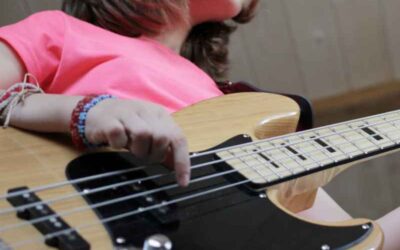
Why You Should Become a Bass Player Instead of a Guitar Player
[pac_divi_table_of_contents included_headings="off|off|on|off|off|off"...

How Do I Improve My Drum Techniques to Play in a Band?
[pac_divi_table_of_contents included_headings="off|off|on|off|off|off"...

Acoustic vs Electric Guitar: Key Differences Explained
[pac_divi_table_of_contents included_headings="off|off|on|off|off|off"...

How to Clean and Maintain Brass and Woodwind Instruments | Care Tips for Students & Parents
[pac_divi_table_of_contents included_headings="off|off|on|off|off|off"...